الرمان
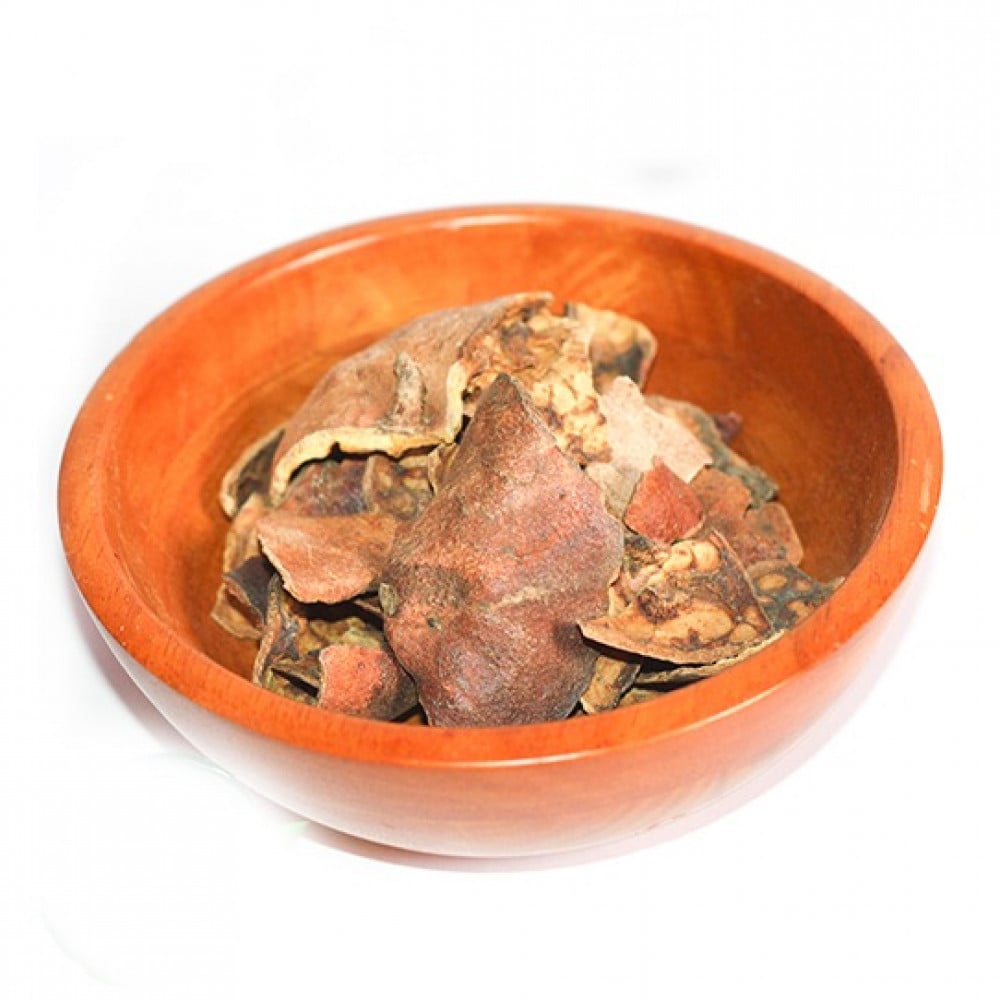
شجيرة يصل ارتفاعها الى 6 امتار.وتحتوي قشورها على 25-28٪ مواد عفصيه.
الاستعمالات : تستعمل قشور الرمان التي تحتوي على كمية كبيرة من المواد العفصيه التي لها صفة القبض كعلاج لالتهابات الحلق او تورمه وكذلك للدسنتاريا والإمبيبا.
وهناك استعمالات داخلية منها:
- استخدام مسحوق قشر الرمان اذا مزج مع العسل النقي يعطي نتائج ايجابية ضد قرحة المعدة ، بأخذ كميات متساوية من مسحوق ثمار الرمان الجافة والعسل النحل النقي ويؤخذ من هذا المزيج ملعقة صغيرة على جرعات بمعدل 3 مرات في اليوم ، وتؤخذ قبل الوجبة الغذائيه بحوالي ربع ساعه.
- لطرد الديدان المعوية وبالاخص الدودة الشريطيه وعلاج البواسير يستخدم منقوع قشر الرمان بمعدل ملعقة صغيرة مع ملء كوب ماء مغلي ويترك مدة عشر دقائق ثم يصفى ويشرب بمعدل 3-4 مرات في اليوم.
الاستعمالات الخارجية:
.لزيادة تثبيت لون الشعر يضاف مغلي قشور الرمان الى الحنا بغرض تثبيت اللون وازدهار عملية التلوين -
- اخذ كميات متساوية من قشر الرمان والحبة السوداء ثم يمزج سوياً في مطحنة ويتكون مسحوق ثم يوضعان في كوب ماء وتضاف له ملعقة كبيرة من الخل ، ويوضع هذا الخليط على النار حتى تسخن وتدهن بهذا المزيج حبوب الشباب دعكاً خفيفاً ثم يغسل بماء بارد بعد ساعه وتكرر العملية يومياً ولمدة شهر حتى تزول الحبوب.
- يستعمل قشر الرمان في دباغة الجلود وفي تثبيت الوان الصباغ