
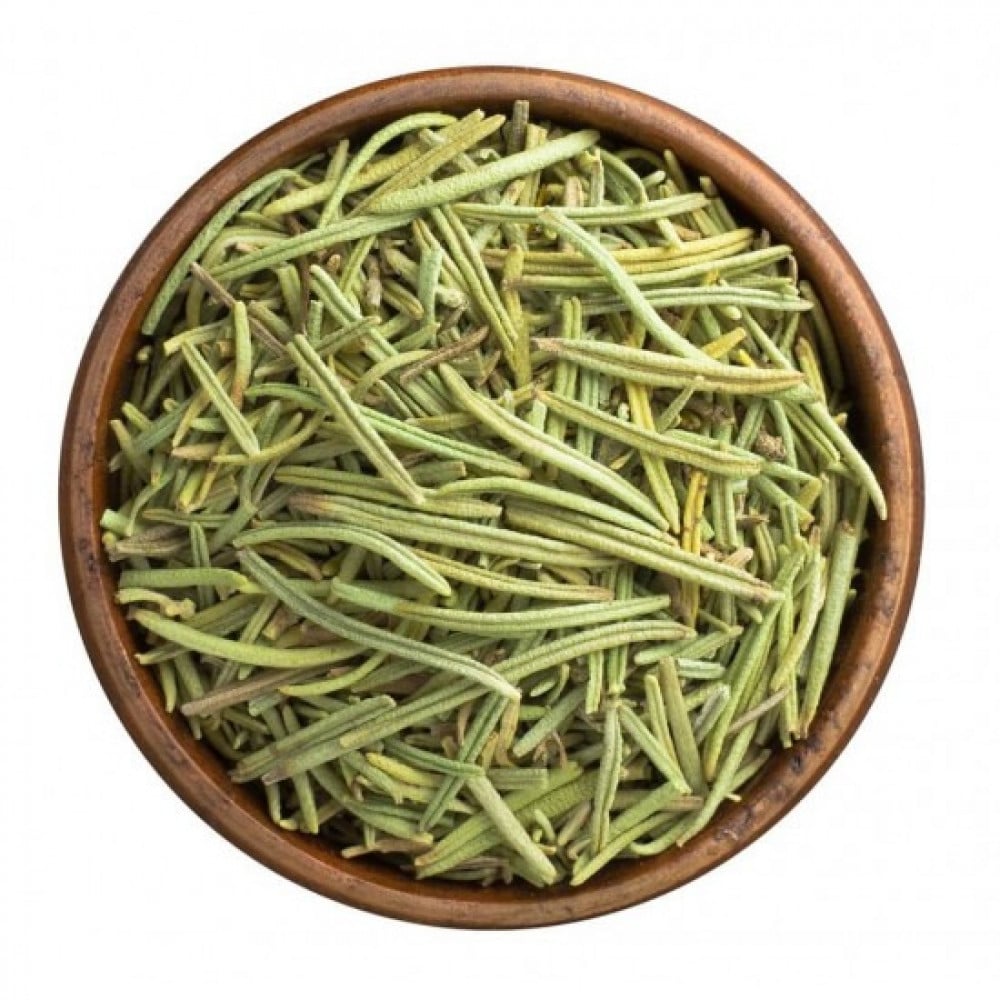
يحتوي نبات أكليل الجبل على زيت طيار عطري الرائحة ويتكون الزيت من عدة مركبات أهمها سينول ، كافور وبورنيول. كما يحتوي ايضاً على مواد عفصية ومواد صابونية وأحماض عضوية,ومضادات الاكسده .
الأستعمالات:
ينشط الدورة الدموية والجهاز الهضمي والعصبي،
يستخدم لعلاج الصداع وعسر الهضم والاكتئاب، كما يمكن أن يستعمل كغرغرة لرائحة الفم الكريهة.
يستخدم كحافظ للحوم من التعفن حيث أنه يحتوي على زيوت طيارة مضادة للأكسدة
يساعد على ارتخاء العضلات الملساء المبطنة للقناة الهضمية
يستخدم كمطهر للجروح
يساعد على تخفيف الاحتقانات مثل احتقان الأنف والصدر المصاحب لنزلات البرد والانفلونزا
طريقه الاستخدام :
يؤخذ ملء ملعقة صغيرة من مسحوق النبات وتوضع على ملء كوب ماء مغلي ويحرك بالملعقة ثم يغطى ويترك لمدة 10 دقائق ثم يصفى ويشرب بمعدل مرتين في اليوم.
للجروح : يسحق نبات اكليل الجبل ويوضع على مكان الجرح
تتعارض مع :
أدرجت إدارة الغذاء والدواء الأمريكية ولجنة الخبراء الألمانية إكليل الجبل في قائمة الأعشاب آمنة الاستعمال عموماً. بالنسبة للبالغين باستثناء الحوامل أو المرضعات .